Replace or Repair HVAC? How to Decide
Your AC quits during the hottest week of July, the technician hands you a repair estimate, and now you have to decide - fix it or replace it?
That decision gets easier when you consider five factors: the system’s age, repair cost, repair history, efficiency, and overall condition. However, always address recurring problems that could cause other parts to fail, and make sure any failed components are properly repaired or replaced.
Key Takeaways
- Check what has failed, not just the system's age. A worn capacitor may need a simple repair, while a failed compressor can be more expensive to fix.
- Look at past repairs. Frequent breakdowns can mean more parts aren’t working properly.
- Compare repair and replacement costs. Include the system's condition, warranty coverage, and potential future repairs in your decision.
- Treat the $5,000 rule as a rough guide. It can help you compare options, but it should not make the decision for you.
- Use equipment age as a reference, but maintenance, installation quality, usage, and operating conditions also affect the system's lifespan.
- Check filters, thermostat settings, vents, and ductwork before assuming the equipment has failed. These issues can affect comfort even when the system is working.
- Leave refrigerant and electrical repairs to a qualified technician. If the refrigerant is low, call the technician to find and fix the leak.
- Get a professional inspection and written estimates. Compare repair and replacement options before deciding.
Should I Repair or Replace My HVAC System?
Not a single choice is perfect every time. If you're wondering, should I repair or replace my HVAC system, start by looking at what failed. For example, A 14-year-old AC with a bad capacitor and a 14-year-old AC with a failed compressor are very different situations, even though both stopped cooling.
When HVAC Repair Makes Sense
Repair makes sense when the fix is small compared with the system's remaining life. In practice, that often means a newer unit, a single isolated part, or a repair that costs much less than replacing the equipment. If the failed part is still under warranty, repair is a good option.
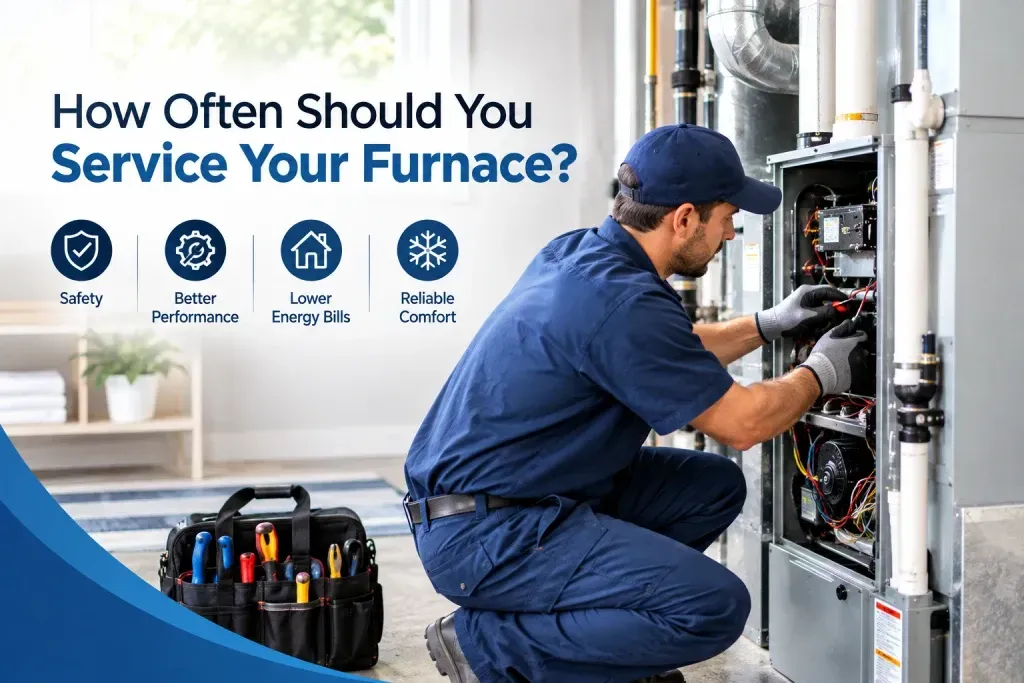
We've often seen people assume their system has failed when the real problem is just a worn capacitor or contactor. A failed capacitor or contactor can stop the AC from starting or running properly. These are wear items, and replacing one will often bring the unit back to normal.
When HVAC Replacement Makes Sense
Consider replacement when the repair fixes only a symptom of an aging system, not a single faulty part.
Also ask why the part failed. We've seen compressors fail because of restricted airflow or a slow refrigerant leak. Replace the compressor without fixing that cause, and the new one can fail the same way.
Also Read: How Much Does an Hvac System Cost?
Factors to Consider Before Making a Decision
Age, repair history, and warranty are important, but there are a few other factors to consider:
- Energy use: If your energy bills keep rising despite similar rates, weather, and usage, your system may be losing efficiency.
- Equipment condition: Check for rust, leaks, corrosion, and other signs of wear. Also consider how well the system works during daily use.
- Budget: A new system costs more upfront, but frequent repairs can become expensive over time.
- Refrigerant: This helps your AC to cool your home. Older systems often use R-22, which is no longer produced or imported in the US. This makes it harder and more expensive to get. R-410A is still available, but it is also being phased down as newer refrigerants take its place. If your R-22 system leaks, ask a technician whether repairing it can fix the cause or if it needs replacement.
6 Signs Your HVAC System Needs Repair
These are the signs you can see and feel:
- A single symptom: One thing stopped, like the outdoor fan or the thermostat screen, while everything else works.
- A sudden start: The problem appeared overnight, not after months of slow decline.
- Steady comfort: Rooms stay at a comfortable temperature, even on the hottest and coldest days.
- Normal bills: Your energy use matches last year's for the same season.
- No recent repairs: This is the first problem in a long while.
- A clear cause: The technician can name the failed part and show you why it failed.
6 Signs It's Time to Replace Your HVAC System
These signs suggest it's time to consider replacing the system:
- Age: The system is old enough that it needs replacement.
- High repair costs: The repair estimate is close to the cost of buying a new system.
- Repeat breakdowns: Different parts keep failing, one after another.
- Unexplained bills: Your energy bills keep increasing, and no one can find the cause.
- Uneven room temperatures: Ducts and airflow are working perfectly, but the system still struggles to maintain a comfortable temperature.
- Major failures or safety concerns: If a compressor or coil fails, you need to replace it. A cracked heat exchanger in a gas furnace is more serious because it can let carbon monoxide into your home. If your carbon monoxide alarm goes off, leave immediately, get to fresh air, and call 911 from outside.
One of these signs doesn't mean you need a new system. A room that won't cool could be caused by faulty equipment, leaking ducts, or a blocked return vent. Talk to a technician to inspect the system and identify the real cause before you decide.
Repair vs. Replace HVAC: Which Option Costs Less?
Repair usually costs less upfront, while replacement can save you money over time. A repair or replace HVAC is a decision that involves more than comparing the repair bill with the price of a new system. The actual cost depends on your system's condition, the problem, and the available repair or replacement options.
Average HVAC Repair Costs
Repair costs vary widely by problem, so a single average price can be misleading. It's easier to understand them in three groups:
- Smaller repairs: A thermostat problem, a worn capacitor or contactor, a clogged condensate drain.
- Moderate repairs: Blower or fan motors, and some refrigerant leaks, depending on where the leak is.
- Larger repairs: A failed compressor or a damaged coil.
Average HVAC Replacement Costs
The cost of a new system depends on the equipment type (AC, furnace, heat pump, or a combination), its capacity and efficiency rating, the condition of your ductwork, any electrical or venting upgrades, and the installation's complexity.
You should also consider size; if a system is too big or too small, it can use more energy and struggle to keep your home comfortable. A technician needs to inspect your home before giving you an accurate price.
Repair Costs vs. Long-Term Replacement Savings
| Factor | Repair | Replacement |
|---|---|---|
| Initial expense | Usually lower | Usually higher |
| Existing equipment | Keeps the current system | Installs new equipment |
| Future repairs | May continue as components age | May reduce repair frequency at first |
| Energy efficiency | Depends on the existing equipment | New equipment may offer better efficiency |
| Long-term value | Depends on the remaining system life | Depends on installation cost, efficiency, and usage |
A more efficient system doesn't guarantee a fixed amount of savings. Your actual savings depend on your home's insulation, ductwork, system size, local energy rates, and how often you use it.
What Is the $5,000 Rule for HVAC?
The $5,000 rule is a quick way to sort repair-or-replace decisions. Multiply the system's age by the estimated repair cost.
System age × estimated repair cost = result
For example, a 12-year-old unit needs a $500 repair. 12 × $500 = $6,000. That's over $5,000, so you should consider replacement before you approve the repair. A result under $5,000 needs repair.
This is a general guideline, not an official HVAC standard. It doesn't account for warranties, repair type, the system's condition, or the cost of new equipment. It can also be misleading, leading you to replace a system that could still work for years or spend money repairing an older system that may soon need replacement.
How Long Do HVAC Systems Last?
No system has a fixed expiration date. ENERGY STAR gives a useful reference: consider replacement when an AC or heat pump is over 10 years old, or a furnace or boiler is over 15. But still, HVAC lifespan varies by equipment type, maintenance, installation quality, usage, and operating conditions.
How Long Does an Air Conditioner Last?
Before deciding to repair or replace air conditioner equipment, consider how often it runs, its maintenance history, and the type of problem it has developed.
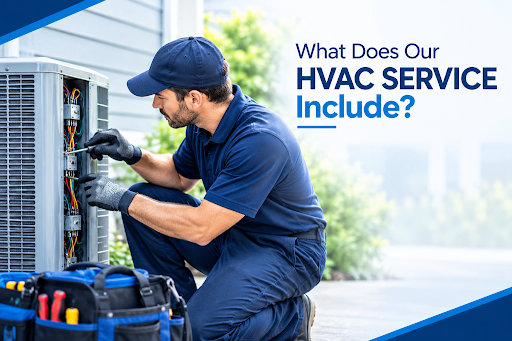
Air conditioners work hardest during summer. Hot, humid weather forces them to run longer, putting more pressure on the compressor, fan motors, and electrical components.
Rental properties and vacation homes need extra planning because a system failure can leave guests uncomfortable, lead to complaints, disrupt bookings, and result in loss of rental income. Arranging repairs before peak season gives you time to fix problems without affecting guests or reservations.
You can contact D.R. Mechanical Heating Cooling & Refrigeration LLC to help identify the cause of HVAC problems, including issues that aren't immediately obvious, and recommend the right repair.
How Long Does a Furnace Last?
Furnaces generally last longer than air conditioners, but their lifespan depends on the fuel type. Gas, oil, propane, and electric furnaces have different maintenance needs and lifespans.
If your furnace stops heating properly, you should get a furnace repair. However, repeated breakdowns or major component failures mean you should compare repair and replacement costs.
How Long Does a Heat Pump Last?
A heat pump provides both heating and cooling, so it runs throughout most of the year. This regular use puts more stress on the system, so routine maintenance is important to keep it in good condition.
What Factors Affect HVAC System Lifespan?
- Maintenance: Regular service catches small problems early.
- Installation and sizing: A poor install or the wrong size makes good equipment work harder.
- Filters, ducts, and airflow: Dirty filters and leaking ducts put extra strain on the system.
- Run time: Longer operating hours put more stress on the system's parts.
- Coastal exposure: Salt in the air can break down the aluminum fins on outdoor coils, reducing their ability to release heat. Homes near the shore experienced this damage earlier. Ask a technician to inspect the coil during a service visit.
Putting It Together: A Simple Decision Path
If you are not sure whether to replace or repair HVAC equipment? Use the situations below as a starting point. If more than one applies, ask for written estimates for both repair and replacement.
| What you're facing | What you should do |
|---|---|
| A small part has failed, but the rest of the system is working well. | Repair |
| A major part failed, such as the compressor or a coil. | Compare both quotes, and find out why it failed. |
| Your $5,000 rule result is over $5,000. | Compare both quotes. |
| The system has needed 2 or 3 repairs in a short period. | Lean toward replacement. |
| The system is older than the ENERGY STAR recommended replacement age, and the repair cost is high. | Lean toward replacement. |
| A cracked heat exchanger on a gas furnace. | Treat it as a safety concern. Replacing the system is often the safest option. |
What Should You Check Before Replacing Your HVAC System?
Not every comfort problem starts in the equipment. Check these issues first:
Check the Air Filter and Thermostat
A dirty filter blocks airflow. This can reduce airflow, increase run times, and freeze the coil when cooling. Check the thermostat mode and schedule to ensure the system heats or cools as needed and follows the correct schedule. Replace weak batteries if the thermostat uses them, as low power can affect its operation.
Inspect Airflow and Ductwork
Check that vents are open and not blocked. Leaking or poorly insulated ducts can also reduce airflow and cause uneven temperatures, even when the HVAC system is working properly.
Check for Refrigerant or Electrical Problems
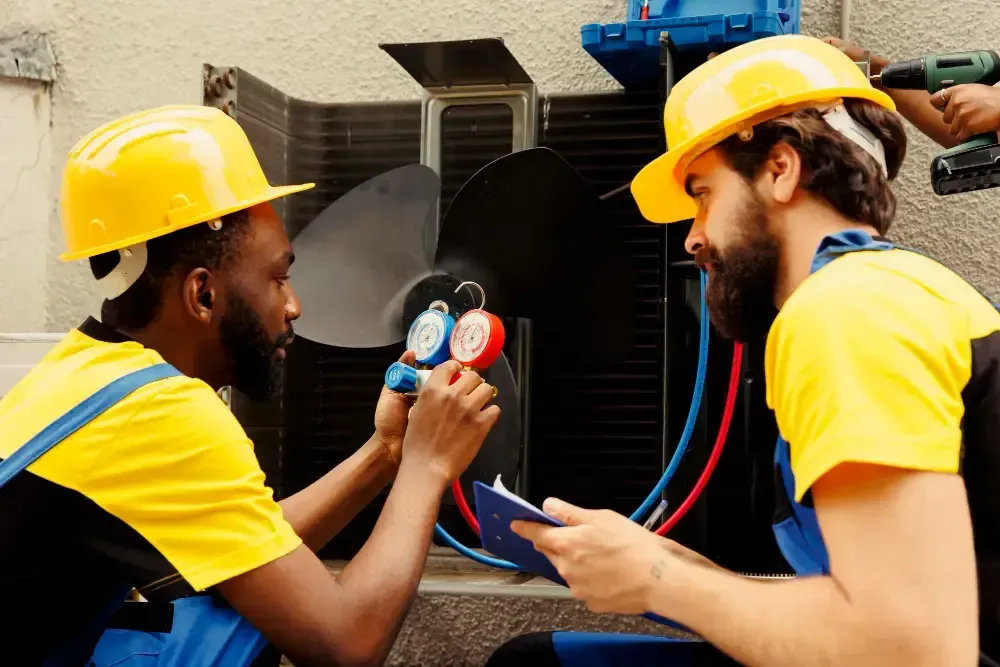
Refrigerant doesn't get used up during normal operation. If the level is low, there's likely a leak. Only a qualified technician should handle refrigerant or electrical repairs. Don't open equipment panels or attempt these repairs yourself. Improper handling could cause electric shock, damage the system, or release refrigerant.
Get a Professional HVAC Diagnosis
A technician can identify the cause and help you decide whether repair or replacement makes more sense. Ask:
- What part failed, and what caused it?
- Is the failed part covered by a warranty?
- How much does the repair cost compared with a new system?
- Are any other parts showing signs of wear or likely to fail soon?
Ask for written estimates for both repair and replacement.
Making the Right Repair or Replacement Decision
The right decision depends on what failed and your system's overall condition, not just its age. Getting it right keeps you from two expensive mistakes: replacing a system that needed a small repair, or paying for repair after repair on one that won't work long term.
If you're weighing the two, D.R. Mechanical Heating Cooling & Refrigeration LLC can find the cause, explain each option, and what happens if you wait. The company also handles commercial refrigerator repair, helping local businesses address refrigeration problems. Homeowners in Galloway and across South Jersey can schedule an inspection through our HVAC repair and installation services.
Frequently Asked Questions
Q1. Should I Replace My 20-Year-Old Air Conditioner?
It deserves a close look, not an automatic replacement. If it still cools well and needs a small repair, fixing it can be a reasonable option. If it fails at this age, it's time to compare quotes seriously.
Q2. What Is the Average Cost to Replace an AC System in 2026?
No honest number fits every home. Two similar houses can get very different quotes because the equipment, ductwork, and installation work differ. Get a written estimate after an inspection, and ask what it includes.
Q3. What Time of Year Is Cheapest to Replace an HVAC System?
Demand peaks during heat waves and cold snaps, so scheduling is often easier in mild weather. That doesn't guarantee a lower price. If your system has already failed, waiting for a better season usually isn't worth it.
Q4. What Is the Cheapest Way to Replace an HVAC System?
Compare written quotes line by line, since they can cover different equipment or work. Make sure the system is sized correctly, check which rebates are available now, and skip upgrades you don't need.
Q5. What Are the Signs You Need a New AC Unit?
The clearest one is an AC that runs all afternoon and still can't keep up, especially after a major repair. Frequent breakdowns and growing repair bills are the others.
Q6. Is It Better to Repair or Replace an Old HVAC System?
Repair when the problem is small, and the rest of the system runs well. Replace when the repair only treats a symptom of a worn-out system. The decision path above shows where you land.
Recent Posts