What Does an HVAC Service Include? A Complete Guide
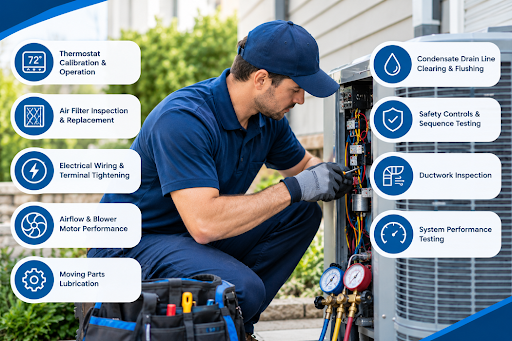
An HVAC service includes a thorough inspection, cleaning, testing, and performance check of your heating, cooling, and ventilation systems. During a standard service visit, a technician cleans key components, inspects electrical and mechanical parts, tests system controls, measures airflow, and checks for potential safety or efficiency issues. Knowing what does hvac service include helps you understand what to expect during a routine appointment and ensures your equipment continues running reliably year-round.
HVAC, which stands for heating, ventilation, and air conditioning, is responsible for controlling your home's temperature, indoor humidity, and overall air quality. At D.R. Mechanical Heating Cooling Refrigeration LLC, our team brings local experience across South Jersey to ensure every system check extends equipment lifespan, lowers energy costs, and prevents unexpected breakdowns.
What Does Our HVAC Service Include?
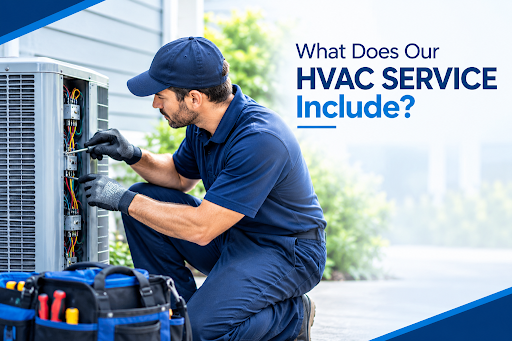
HVAC service includes a complete inspection, cleaning, testing, and adjustment of the heating and cooling system. A licensed D.R. Mechanical technician checks the system from the thermostat and electrical connections to airflow, drainage, safety controls, and overall heating or cooling performance.
The exact work can vary by system type and condition, but a standard HVAC service visit covers the following checks.
Thermostat Calibration & Operation
Verifying that your digital or smart thermostat communicates properly with the system, holds accurate temperature setpoints, and cycles heating or cooling on and off correctly.
Air Filter Inspection & Replacement
Checking for dust buildup, debris, or restriction. A clogged filter restricts airflow, forcing the system to work harder and consume more energy.
Electrical Wiring & Terminal Tightening
Inspecting wiring, tightening loose terminals, testing start capacitors, and measuring voltage and amperage draws on motors and compressors to prevent sudden electrical failure.
Airflow & Blower Motor Performance
Measuring static pressure and inspecting return and supply vents to verify balanced air distribution throughout your living spaces.
Moving Parts Lubrication
Inspecting bearings, belts, and blower assemblies, lubricating moving parts where required to minimize friction and prevent premature wear.
Condensate Drain Line Clearing & Flushing
Checking the drain line, trap, and condensate pump for clogs or algae backups that could lead to property water damage or float switch shut-offs.
Safety Controls & Operational Sequence Testing
Testing high-limit safety shut-offs, pressure switches, and control boards to ensure safe operation under peak summer or winter load.
Visible Ductwork Inspection
Checking accessible custom ductwork in basements, attics, or crawlspaces for visible air leaks, disconnects, or damaged insulation.
Overall System Performance Testing
Running the system through a full heating or cooling cycle to measure supply and return temperature splits and verify smooth, quiet operation.
Service vs. Additional Repairs: Knowing the Difference
A standard service visit is a preventative inspection, tune-up, and safety evaluation. It is distinct from diagnostic repair visits or major component overhauls. If our technicians discover worn-out start capacitors, burnt contactors, active refrigerant leaks, or failed blower motors during a routine service check, replacing those items requires separate diagnostic work, parts, and labor. At D.R. Mechanical, we prioritize total transparency: we explain every finding clearly and provide upfront information before performing any additional repair work.
If a technician finds a serious issue during your visit, like a cracked heat exchanger or a failed safety control, that's the kind of problem that can turn into a no-heat or no-cooling situation fast. In cases like that, our
HVAC emergency service is available 24/7, so you're never stuck waiting through a breakdown while a bigger repair gets scheduled.
What Is Checked During AC and Cooling Service?
Cooling equipment works under heavy mechanical load during hot summer months, especially in humid coastal areas like Ocean City, Sea Isle City, and Stone Harbor. An air conditioning service with D.R. Mechanical focuses heavily on heat transfer components, electrical starting mechanisms, and moisture management.
Key cooling checks include:
- Condenser coil: Cleaning dirt, leaves, and coastal salt residue from the outdoor condenser fins to allow efficient heat release.
- Evaporator coil: Checking the indoor evaporator coil for dirt buildup, mold, or frost, which restrict airflow and reduce cooling capacity.
- Refrigerant charge: Checking operating pressure levels using manifold gauges to ensure the system maintains factory refrigerant levels.
- Refrigerant leaks: Visually inspecting copper line sets and flare connections for signs of oil residue or active leaks.
- Capacitors: Testing microfarad ratings on run and start capacitors to ensure they deliver correct electrical voltage to motors and compressors.
- Contactors: Inspecting electrical contactors for pitting, burning, or arcing that can cause system starting issues.
- Blower operation: Inspecting the blower wheel and motor to confirm correct airflow across the evaporator coil.
- Condensate drainage: Flushing the drain pan and line to clear standing water, algae, or coastal sediment.
- Cooling performance: Measuring the temperature difference across the indoor coil (delta T) to confirm efficient heat absorption.
Note on refrigerant: Technicians measure refrigerant levels to verify proper operational pressure. Refrigerant operates in a sealed loop; it is not consumed like fuel. If refrigerant is low, it indicates a leak that requires repair. Refrigerant levels are checked during routine service, but adding refrigerant is a corrective repair, not an automatic step in a standard tune-up.
If your cooling unit fails to drop indoor temperatures or struggles against South Jersey’s summer humidity, scheduling professional
AC repair ensures our trained technicians resolve refrigerant leaks or electrical starting issues safely.
What Is Checked During Furnace and Heating Service?
Heating systems require careful technical evaluation because they rely on electrical heating elements, high-efficiency heat pumps, or fuel combustion. Service steps differ depending on whether your home uses a gas furnace, electric air handler, heat pump, or boiler.
Key heating checks include:
- Burners: Inspecting and cleaning combustion burners to ensure proper fuel-air mixture and clean ignition.
- Ignition system: Testing pilot lights, hot surface igniters, or spark igniters for reliable ignition sequences.
- Heat exchanger: Inspecting the heat exchanger for cracks, corrosion, or stress fractures that could leak flue gases or carbon monoxide into your home.
- Safety controls: Testing high-limit switches, flame sensors, and roll-out switches designed to shut the system down if overheating occurs.
- Blower operation: Inspecting the blower assembly to ensure proper circulation of warm air throughout the building.
- Venting and flue systems: Checking vent piping, chimney connections, and draft inductors for blockages, rust, or improper pitching.
- Carbon monoxide safety checks: Testing combustion gases and checking indoor ambient air levels to confirm safe operation.
The exact heating checklist depends on your specific heating equipment: heat pumps require reversing valve checks and defrost cycle testing, while gas furnaces require burner and venting evaluations.
What Does HVAC Service Not Include?
A routine maintenance appointment with D.R. Mechanical is designed to inspect, clean, and optimize operational equipment. It does not cover major overhaul work, replacement projects, or extensive remediation tasks.
Excluded Services & Major Repairs
- Major component replacement: Replacing failed compressors, blower motors, heat exchangers, or reversing valves.
- Refrigerant leak repair: Locating hidden leaks within line sets, braze joints, or coils, followed by recovering refrigerant, repairing copper lines, and recharging the system.
- Extensive ductwork redesign: Rebuilding entire duct networks, sealing attic duct systems, or running new custom ductwork.
- Full duct cleaning: Mechanical rotobrush duct cleaning or mold remediation throughout the duct system requires specialized equipment and separate scheduling.
- Major electrical panel upgrades: Running new line-voltage feeds or upgrading main electrical service panels.
- Full system replacement: Installing new high-efficiency heating and cooling units or converting to ductless mini-splits.
If our technician identifies major wear, safety hazards, or failed parts during your routine service visit, they will explain the issue clearly, show you the problem, and provide an upfront estimate for the necessary repairs.
How Often Should You Schedule HVAC Service?
Most HVAC equipment manufacturers recommend scheduling professional service twice a year: once in the spring for your air conditioning system and once in the fall for your heating system.
| System Type | Recommended Service Frequency | Ideal Scheduling Window |
|---|---|---|
| Central Air Conditioning | Once per year | Spring (Pre-cooling season) |
| Gas or Electric Furnace | Once per year | Fall (Pre-heating season) |
| Heat Pump Systems | Twice per year (Handles both heating & cooling) | Spring & Fall |
| Ductless Mini-Splits | Twice per year | Spring & Fall |
How often your system requires attention can depend on several factors:
- Equipment Type: Heat pumps operate year-round for heating and cooling, meaning they experience twice the operational wear of a cooling-only system and require semi-annual tune-ups.
- Usage Rates: Coastal vacation homes or high-turnover rental properties in Sea Isle or Stone Harbor experience heavy seasonal use, requiring frequent filter changes and targeted checkups.
- Local Climate: Coastal salt air, heavy summer humidity, and sudden winter cold snaps in Atlantic and Cape May counties put extra stress on coils, motors, and outdoor cabinets.
- Manufacturer Warranties: As an Authorized York Dealer, we remind homeowners that many manufacturers require proof of documented annual professional maintenance to keep limited parts warranties valid.
Regularly
servicing an hvac system with D.R. Mechanical preserves operational efficiency, lowers monthly utility expenses, and catches minor component wear before it leads to an unexpected breakdown.
When Does an HVAC Problem Need Urgent Service?
Not every HVAC issue can wait for a scheduled seasonal maintenance visit. Certain symptoms indicate mechanical, refrigeration, or safety problems that require immediate professional attention.
Critical System Symptoms
- Safety Hazards: Gas odor / sulfur smells, persistent burning odors, or repeatedly tripped main circuit breakers.
- Mechanical Failure: Complete loss of heating or cooling during extreme weather, frequent short-cycling, or loud screeching and grinding noises.
- Moisture & Refrigeration Risks: Active water pooling around the indoor furnace/air handler, ice buildup on copper lines, or temperature spikes in commercial walk-in refrigeration units.
Contact D.R. Mechanical immediately if you notice:
- Complete loss of heating or cooling: Uncontrolled indoor temperatures during severe summer heatwaves or winter freezes.
- Burning smells: Persistent odor of burning plastic, electrical hot spots, or scorching near your air handler or furnace.
- Gas-related concerns: If you smell gas or rotten eggs (sulfur), evacuate your home immediately, call your gas provider, and request emergency heating inspection.
- Active water leaks: Water pooling around your indoor unit due to blocked drain lines or broken condensate pumps.
- Repeated system shutdowns: Circuit breakers tripping repeatedly or the unit cycling off seconds after starting.
- Electrical problems: Buzzing control boards, flickering lights when the compressor starts, or visible charring on contactors.
- Unusual or loud noises: Screeching bearings, loud banging, or metal-on-metal grinding inside motors or compressors.
When severe weather strikes or critical components fail suddenly, booking dedicated
HVAC emergency service guarantees our live technicians answer the call 24/7 to dispatch experienced technicians across South Jersey.
How Much Does an HVAC Service Visit Cost?
The overall cost of an HVAC service visit depends on several key variables, including equipment type, overall scope of service, and whether corrective repairs or replacement parts are needed.
Factors Influencing Your HVAC Maintenance Cost
- System Type & Complexity: Dual-fuel setups, multi-stage heat pumps, ductless mini-splits, and commercial refrigeration setups require more labor and specialized diagnostic tools than basic single-stage units.
- Location & Accessibility: Equipment located in tight crawlspaces, steep attics, or commercial rooftops may require additional labor time.
- Service Scope: Basic visual checks differ in scope from comprehensive service packages that include coil washing, blower motor removal, and full electrical testing.
- Contractor Expertise: Licensed, insured contractors with certified technicians who stand behind their work provide greater value and warranty security than uncertified handymen.
- Necessary Repairs or Replacement Parts: If our technicians identify worn capacitors, blown fuses, or clogged contactors, parts and labor fees adjust based on the specific repair required.
At D.R. Mechanical, we offer free estimates on all new equipment installations and system replacements, alongside discounts for senior citizens, military veterans, firefighters, EMTs, and first responders.
What Should You Ask Before Booking HVAC Service?
Before confirming an appointment, asking a few clear questions ensures you understand what is covered and prevents surprises when the visit is completed.
Key Pre-Booking Questions
- What specific tasks does the service include? Confirm whether the technician performs physical cleaning (such as washing outdoor condenser coils) or strictly visual inspections.
- Are air filters included? Ask whether standard air filter replacements are covered or if specialty media filters incur a separate charge.
- Are parts charged separately? Clarify whether wear-and-tear items identified during service are quoted separately before work begins.
- What happens if the technician finds a problem? Ask if repairs will be explained and quoted upfront before any additional work begins.
- Will the technician explain the findings? Ensure you receive a performance report detailing temperature splits, electrical draws, and overall system condition.
- Does the company offer an HVAC maintenance plan? Joining a preventative maintenance contract unlocks priority booking and long-term peace of mind.
When you are ready to arrange service, making an
hvac booking with D.R. Mechanical guarantees your home or business is serviced by licensed, local professionals who prioritize quality work and transparent communication.
FAQs About HVAC Service
What Is the $5,000 HVAC Rule?
The "$5,000 rule" is an informal rule of thumb used by homeowners and technicians to evaluate whether repairing or replacing an aging HVAC system makes more sense. Multiply the age of your system (in years) by the estimated repair quote. If the resulting number is high relative to the value of the unit, replacing the system with a modern, high-efficiency YORK® unit is generally considered a better long-term investment.
What Is Usually Included in HVAC Maintenance?
Standard HVAC maintenance includes inspecting electrical connections, checking system controls, cleaning outdoor/indoor coils, measuring airflow, replacing air filters, clearing condensate drain lines, lubricating moving parts, and testing overall system performance.
How Often Should an HVAC System Be Serviced?
An HVAC system should be serviced at least once a year. Systems that handle both heating and cooling (like heat pumps or ductless mini-splits) should be serviced twice a year: once in the spring before cooling season and once in the fall before heating season.
What Should You Know After an HVAC Service Visit?
A professional HVAC service visit should give you complete confidence in your home's heating and cooling performance. When a D.R. Mechanical technician completes their work, they walk you through their findings and leave you with a clear summary detailing:
- Overall system operating condition, safety status, and efficiency levels.
- Measured temperature splits, static pressure readings, and electrical motor draws.
- Any early signs of coastal corrosion or component wear that may require attention in the future.
- Upfront quotes for any recommended safety or performance repairs.
- Best practices for air filter replacement intervals based on your home's usage and indoor air quality needs.
Whether you need a seasonal tune-up, custom ductwork evaluation, commercial refrigeration repair, or an estimate on a high-efficiency YORK® system, D.R. Mechanical Heating Cooling Refrigeration LLC delivers honest service, 24/7 emergency response, and expert workmanship across Galloway, Ocean City, Sea Isle City, Stone Harbor, and all of South Jersey.
Recent Posts